
If your PC has started crashing, slowing down, or throwing strange update prompts, it’s easy to panic a little and start searching for a quick fix. That’s usually how people end up typing searches like “how i get hauskbel28.2.5 new version”. The problem is, not every software update query leads to real software. Sometimes it leads to fake download pages, recycled SEO spam, or pages built to attract clicks from frustrated users.
That seems to be the risk here. Based on current public search results, Hauskbel 28.2.5 does not show a strong, clearly verifiable vendor footprint, official release center, or mainstream support trail. What appears instead is a mix of low-trust pages and blog-style content. That means the safest move is not to hunt harder for a download button. It’s to verify what’s already installed, protect your machine, and troubleshoot the actual stability problem before you make things worse.
This guide takes that practical route. It explains how to check whether Hauskbel is even a legitimate software target, how to inspect your system for damage, and how to fix the kind of crashes or instability that usually trigger this search in the first place.
What this article does differently: it does not pretend there is a confirmed official Hauskbel 28.2.5 download source when public evidence is weak. Instead, it focuses on safe verification, system recovery, and realistic next steps.
Why This Query Deserves Extra Caution
Some search terms look like software names but behave more like what SEO professionals call ghost keywords. These are obscure, often AI-generated or content-farmed terms that attract pages with vague troubleshooting advice, thin reviews, or suspicious download prompts. Hauskbel and Ralbel 28.2.5 fit that pattern closely based on the available results.
That matters because users searching for a missing update are already in a vulnerable position. If your system is unstable, you are more likely to click the first page that promises a fix. The Federal Trade Commission has warned that fake software ads and cloned pages can be used to distribute malware while posing as software tools or updates. So before you click anything, it’s worth slowing down and checking whether the software itself is real.
| Red flag | Why it matters | What to do |
|---|---|---|
| No official vendor page | Hard to confirm ownership or legitimacy | Do not trust third-party download links by default |
| Only blog-style or SEO pages appear | Suggests weak trust signals and possible content farming | Use extra caution and verify installed software locally |
| Vague claims about “boosting performance” | Common pattern on fake utility pages | Look for support docs, release notes, and publisher identity |
| Big “Download Now” buttons with little context | High malware or adware risk | Avoid clicking until the source is verified |
Start With What’s Already on Your Machine
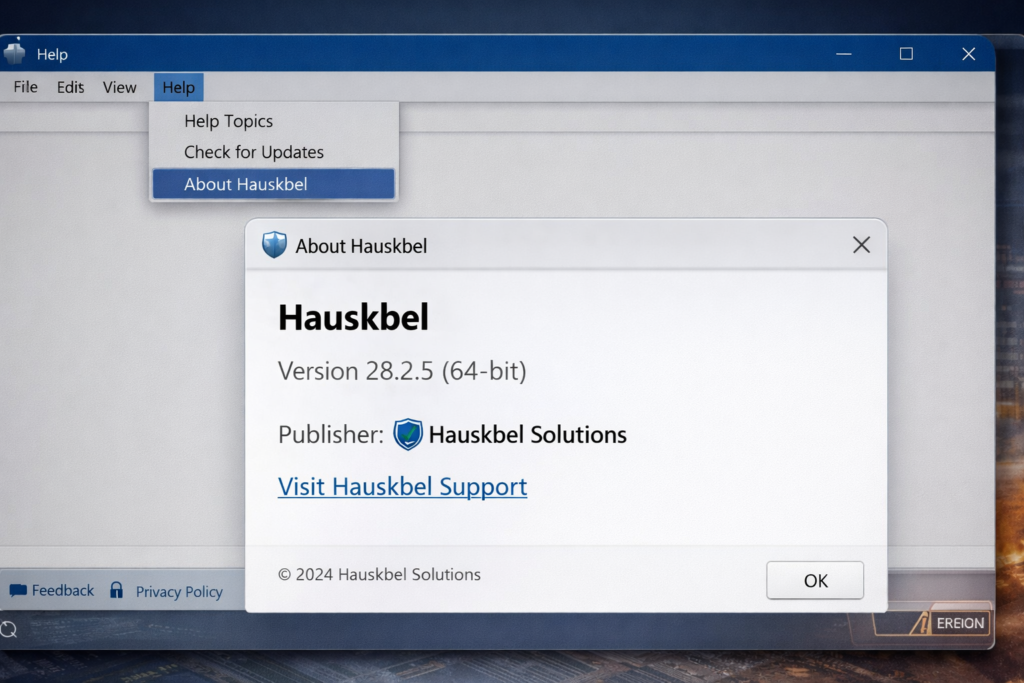
Before you search for a new version, check whether the software is installed at all and whether your system is misreporting the issue. On Windows, inspect the installed app list, app properties, and any About menu inside the program. On Mac, use Get Info from the Applications folder. If the program opens, look in Help, About, Settings, or Update for version information and publisher details.
This step matters more than people think. A lot of update hunts turn out to be false alarms. The version is already current, but the system is unstable because of damaged settings, bad background load, or corrupted files elsewhere in the operating system.
| Platform | Where to check | What you want to confirm |
|---|---|---|
| Windows | Installed apps, file properties, About menu | Version number, publisher, install date |
| macOS | Applications > Get Info | Version number and compatibility |
| Inside the app | Help, About, Settings, Update | Built-in updater, repair options, support links |
How to Decide Whether a Download Source Is Safe
If you still think you need a newer version, judge the source before the file. A trustworthy software source usually has a named publisher, support documentation, release notes, a privacy policy, and a signed installer. A sketchy source usually has urgent language, oversized buttons, vague performance claims, and almost no verifiable company details.
- Check whether the page names the publisher clearly
- Look for release notes or a changelog
- Check whether support or contact information exists
- Inspect the installer signature before running it
- Avoid sponsored software ads or lookalike pages
If those basics are missing, stop there. That’s often a better decision than downloading a file you can’t verify.
A Better Troubleshooting Path Than Chasing Random Updates
If your real problem is crashes, lag, or instability, it makes more sense to troubleshoot the environment than to assume a mystery update will solve everything. This is the cleaner path I’d use.
- Confirm the installed version. Make sure you are not searching for an update you already have.
- Back up your app data. Save settings and local files before making changes.
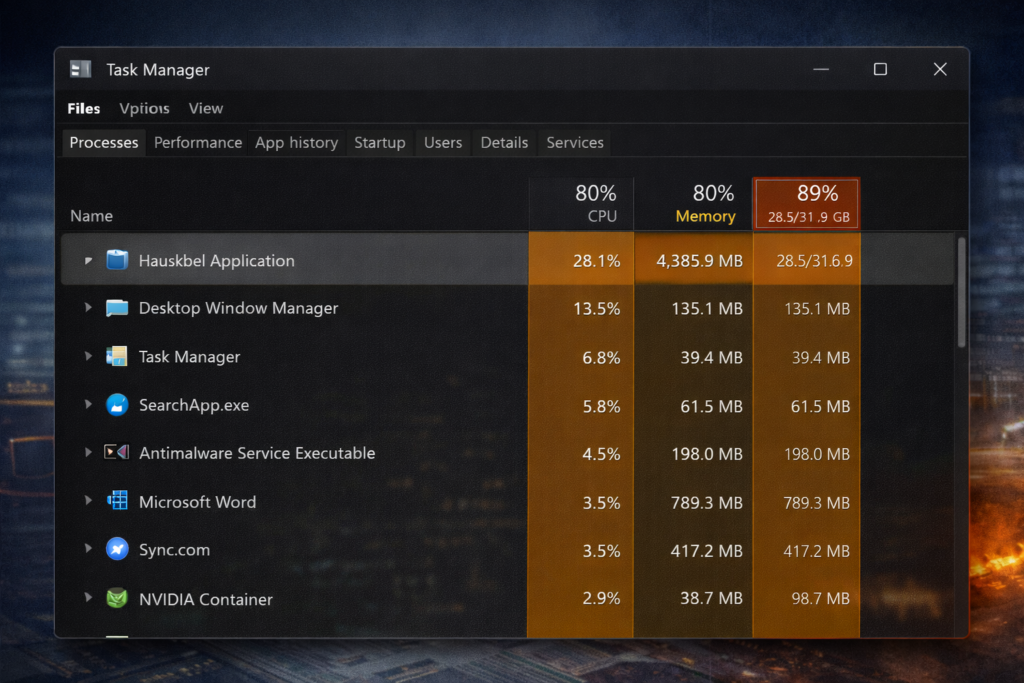
- Watch CPU and memory usage. If the system slows after launch, monitor Task Manager or Activity Monitor for spikes.
- Validate the operating system. Damaged system files can cause install failures and repeated crashes.
- Use repair before reinstall. If the app offers repair, try that first. If not, move carefully toward a clean reinstall.
| Symptom | Likely cause | Best next step |
|---|---|---|
| Installer fails immediately | Permissions issue or dependency conflict | Retry with admin rights and close background tools |
| App opens then freezes | High CPU, memory leak, or damaged config | Monitor usage and test after reboot |
| Random system errors continue | OS-level corruption or bad files | Run system file checks before reinstalling |
| No trustworthy update source exists | Software identity is unclear | Stop and verify the vendor first |
What to Do on Windows if the Whole System Feels Damaged
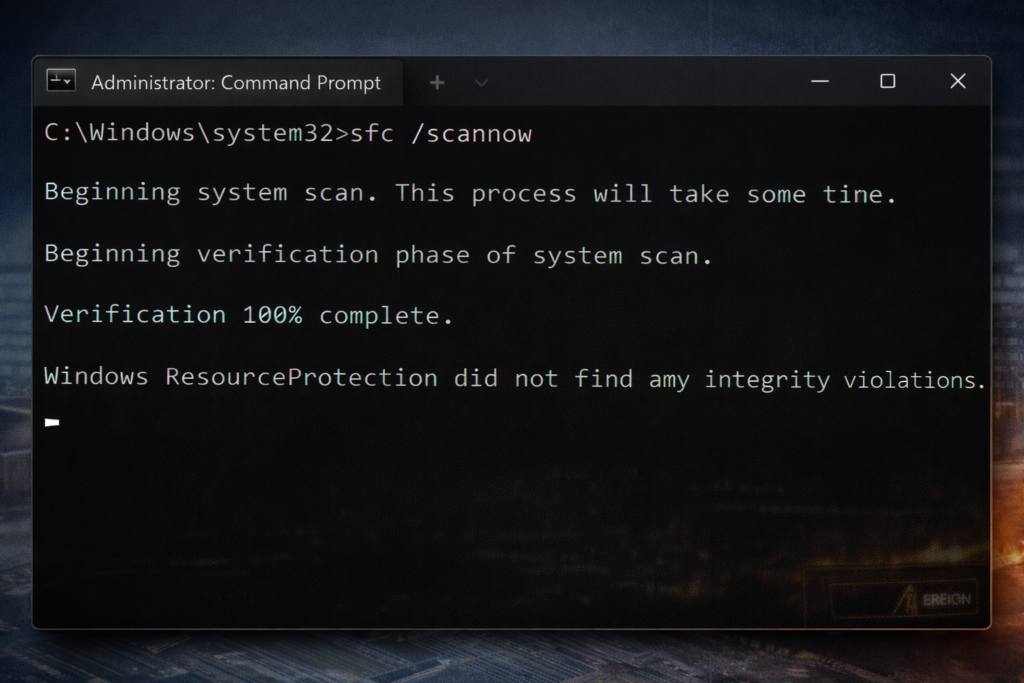
If the problem has spread beyond one app, use Microsoft’s documented repair tools before assuming the software itself is the only issue. The standard example is System File Checker, often run with sfc /scannow. Microsoft documents it as a way to scan protected Windows files and replace corrupted copies when possible.
This matters because a fake installer, a failed update, or even unrelated shutdown issues can damage Windows components. If that happened, no mystery app patch is going to restore stability by itself.
Quick Windows repair checklist
- Restart the PC and test the issue again
- Run System File Checker
- Check Task Manager for abnormal CPU or RAM use
- Uninstall suspicious recent software if needed
- Only reinstall the app after the OS looks healthy again
Pros and Cons of Pursuing the Update
| Pros | Cons |
|---|---|
| May reveal whether the issue is version-specific | Could expose you to fake download pages |
| Can help if you already have a verified in-app updater | Weak vendor signals make trust difficult |
| Provides a path to repair if the app is real | You may waste time chasing a non-existent fix |
| Encourages version and system verification | The root issue may be OS corruption, not the app |
FAQ
It may exist in some form, but based on public search results there is no strong, clearly official vendor footprint to confirm it as a mainstream, well-documented software product. That’s why caution is the best default.
The safest route is to start inside the installed app, if it exists, and look for update or repair tools there. If you cannot verify the publisher or the source page, do not download the installer just because a search result tells you to.
It could be. The combination of weak vendor signals, SEO-style pages, and update-themed downloads is exactly why the FTC warns users to be careful with software ads and cloned sites.
Then start with your system, not the mystery software name. Check installed apps, monitor CPU and memory usage, and repair Windows files if needed. That gives you a safer path to a stable machine.
Conclusion
This is one of those cases where the safest answer is also the most useful one. If you searched for the Hauskbel 28.2.5 update because your machine is acting up, don’t assume a mystery download is the solution. Verify the software first, inspect what is already installed, and repair the operating system if the whole PC looks unstable.
That approach may feel slower in the moment, but it’s the better long-term fix. It helps you avoid fake downloads, reduce the risk of malware, and get closer to the real cause of the crashes or slowdown instead of piling one bad installer on top of another.